Timeframe: February 2020 · community crisis response, ~1 week from collapse to launch
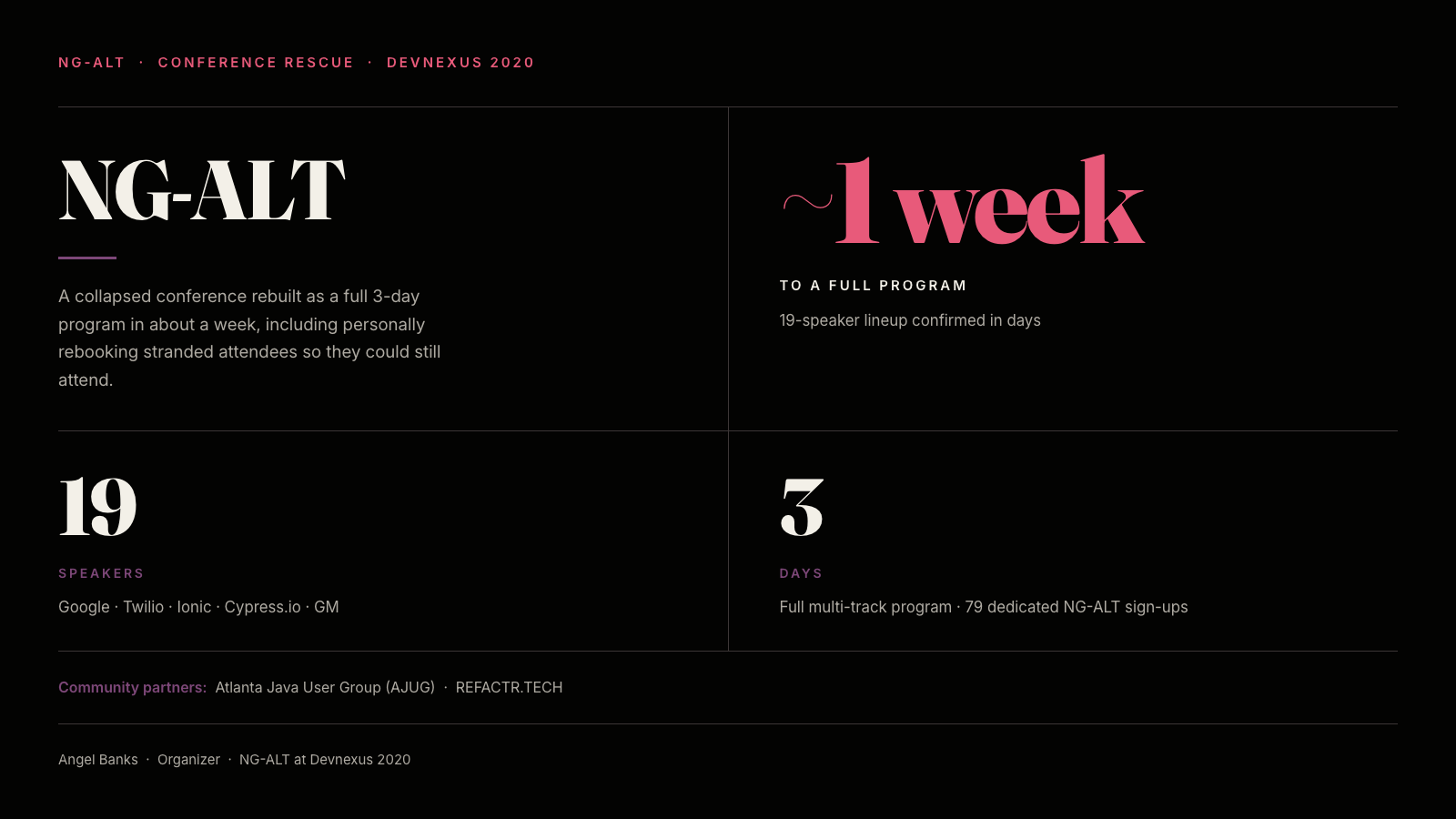
One line: When a regional developer conference collapsed days before it opened, I helped stand up NG-ALT, a fully branded three-day replacement event with 19 speakers, in about a week, so that no speaker lost their stage and no attendee was left stranded.
Context
ngAtlanta was an established Angular and front-end developer conference in the Atlanta tech scene, and one I had helped organize as an assistant organizer in an earlier year. In 2020 it drew an intentionally inclusive, international speaker lineup. NG-ALT was the rescue event that replaced it after it fell through, run as a "conference-within-a-conference" inside Devnexus 2020 at the Georgia World Congress Center. I was the operational lead and public point of contact, with REFACTR.TECH as one of three presenting organizations. For a hiring manager: this is end-to-end conference programming and delivery, executed under a hard deadline with no runway.
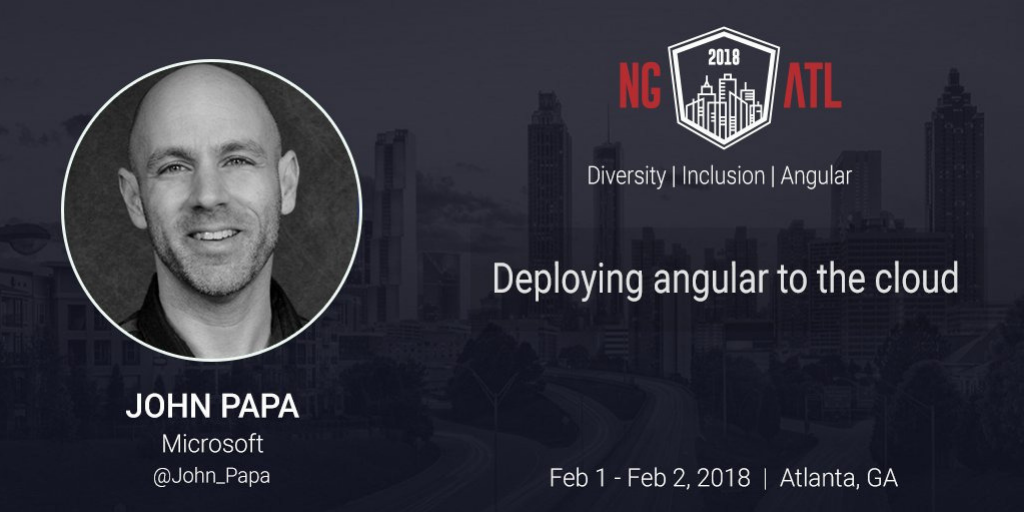
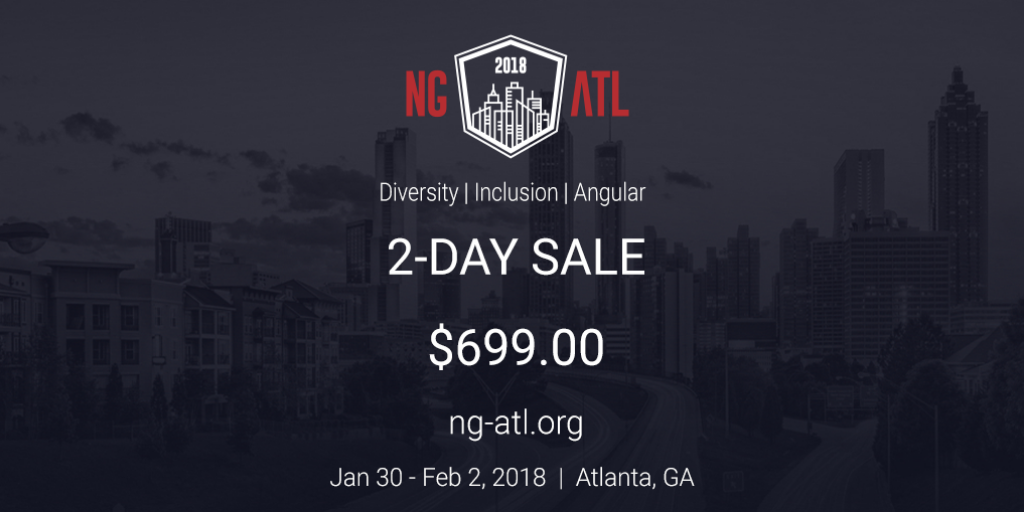
I had also done design work for ngAtlanta itself. For the 2018 conference I designed the speaker cards and promotional assets inside ngAtlanta's existing identity. So when it collapsed, I knew the brand, the audience and the speakers, and I knew what a replacement would need to look like to be trusted.
Starting state
Weeks before the event, ngAtlanta collapsed due to sudden financial insolvency. The timing was the problem. Speakers had already booked travel, some were international, and several were mid-itinerary to Atlanta. Paid ticket-holders and sponsors had nowhere to go. The community most affected was exactly the one the conference had promised to showcase: marginalized and international voices who had organized their schedules and travel around a commitment that no longer existed. This was not an underperforming program to optimize. It was a blank page with a countdown and real people already in motion.
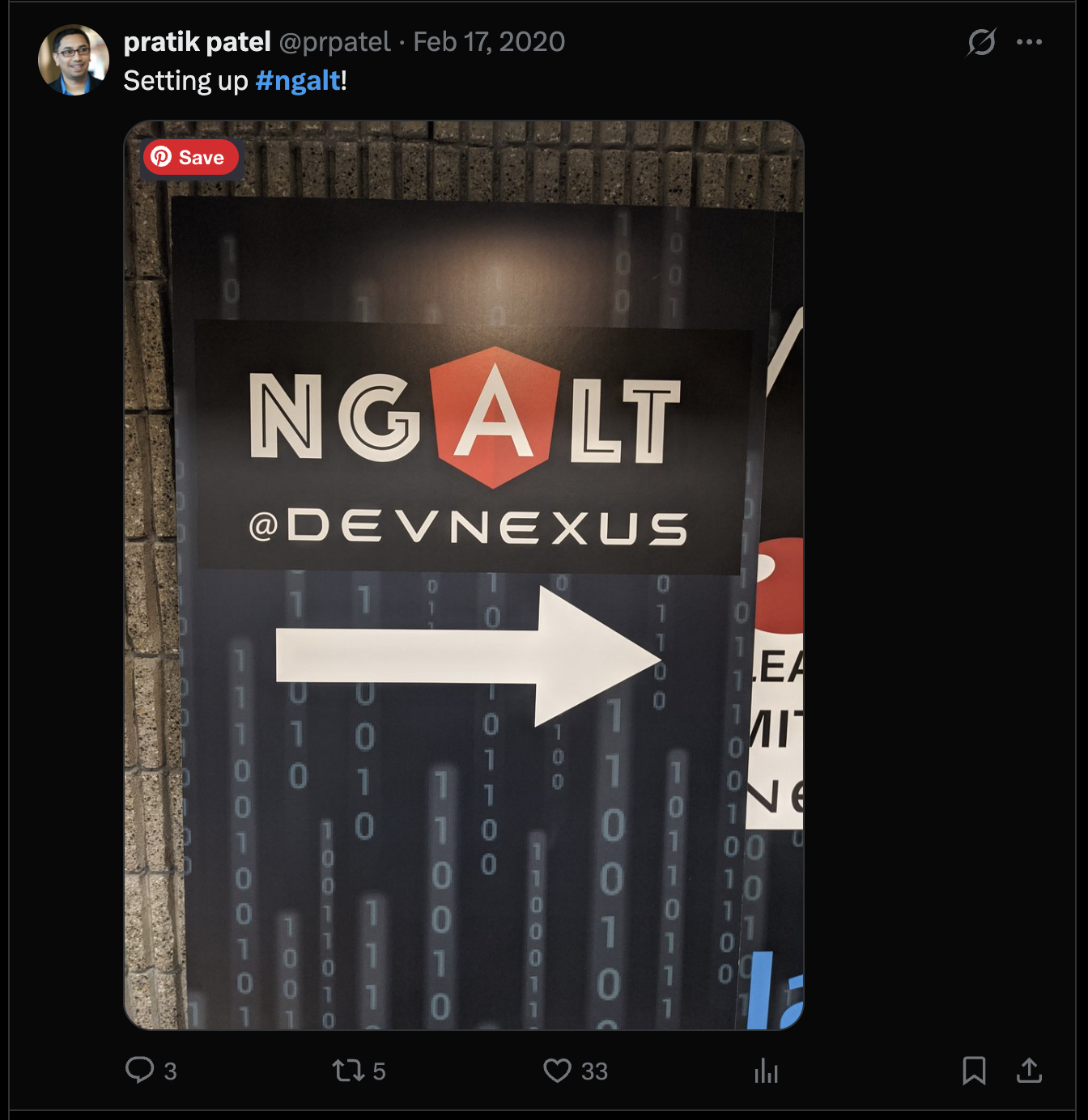
When an Atlanta Tech Conference was canceled, the community took action! Way to #unite @vincentmayers, @prpatel, and @angelmbanks @devnexus @atlantajug @WWCAtl @jfrog
Kuddos to the #java community in #Atlanta for jumping in and offering their help with #NgALT after the sad #NgATL event.
Goals and success metrics
Because this was a crisis response, I set the goals rather than inheriting a KPI sheet, and I kept them concrete:
- No speaker left without a stage. Measured by speakers successfully placed into a real program.
- No attendee or ticket-holder stranded. Measured by a functioning event with dedicated registration and open access.
- Preserve the inclusive promise. The replacement had to protect the same voices the original had centered, not quietly drop them.
- Stand it up before Devnexus opens. A fixed, non-negotiable deadline.
Scope and constraints
In scope: speaker recruitment and confirmation, the session schedule, emcees, attendee communications, a code of conduct, and social programming. Out of scope by necessity: venue, A/V, catering, and core conference infrastructure, all of which Devnexus provided. The binding constraints were time (about a week to confirm a lineup), no independent budget, and no formal authority. I depended entirely on cross-organizational partnership: AJUG, the Atlanta Java Users Group that organizes Devnexus, CONNECT.TECH with Pratik Patel and Vincent Mayers as the principals, and REFACTR.TECH as the other presenting orgs. A second constraint worth naming: REFACTR.TECH's own flagship conference was roughly two months out, so I was taking this on directly against my own program's prep window.
Approach
I treated NG-ALT as a real event, not a list of borrowed rooms. The operating model had three parts.
First, speaker recovery. I tracked down the speakers who were already traveling or still committed, confirmed who could stay, and recruited local Atlanta engineers to fill the remaining slots, building the schedule around availability in a few days. The confirmation work happened in roughly a week (the tracking notes run from early February across about five days).
A programming detail I'm proud of: with no time to write and rehearse introductions, I recruited notable speakers and sponsors already attending Devnexus to serve as track hosts. I scheduled them in blocks and deliberately paired each host with speakers they knew personally, so the introductions came from real relationships, genuine, funny, and specific, instead of scripted bios no one had time to prepare. It turned a logistics gap into one of the warmer parts of the program.
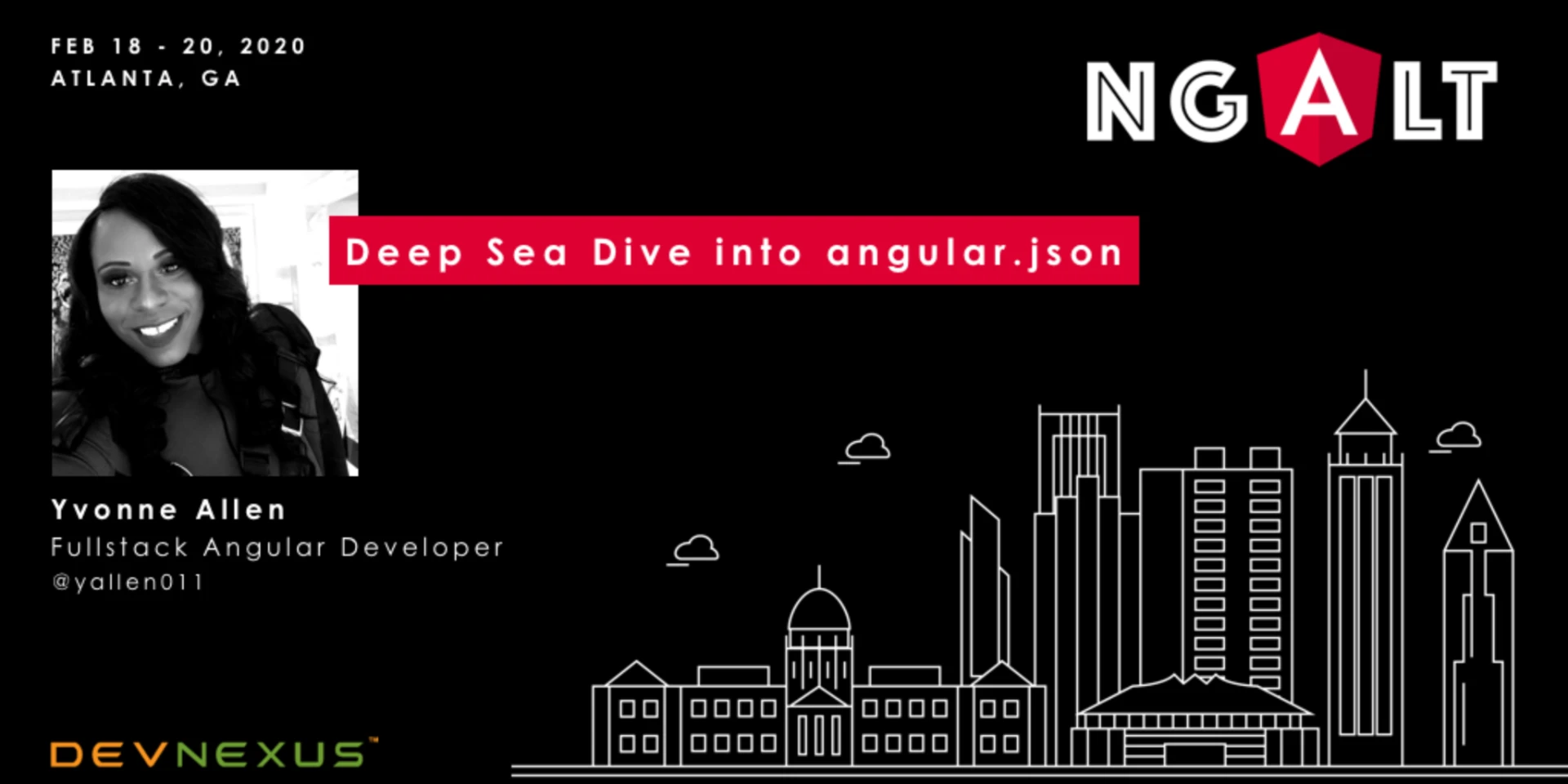
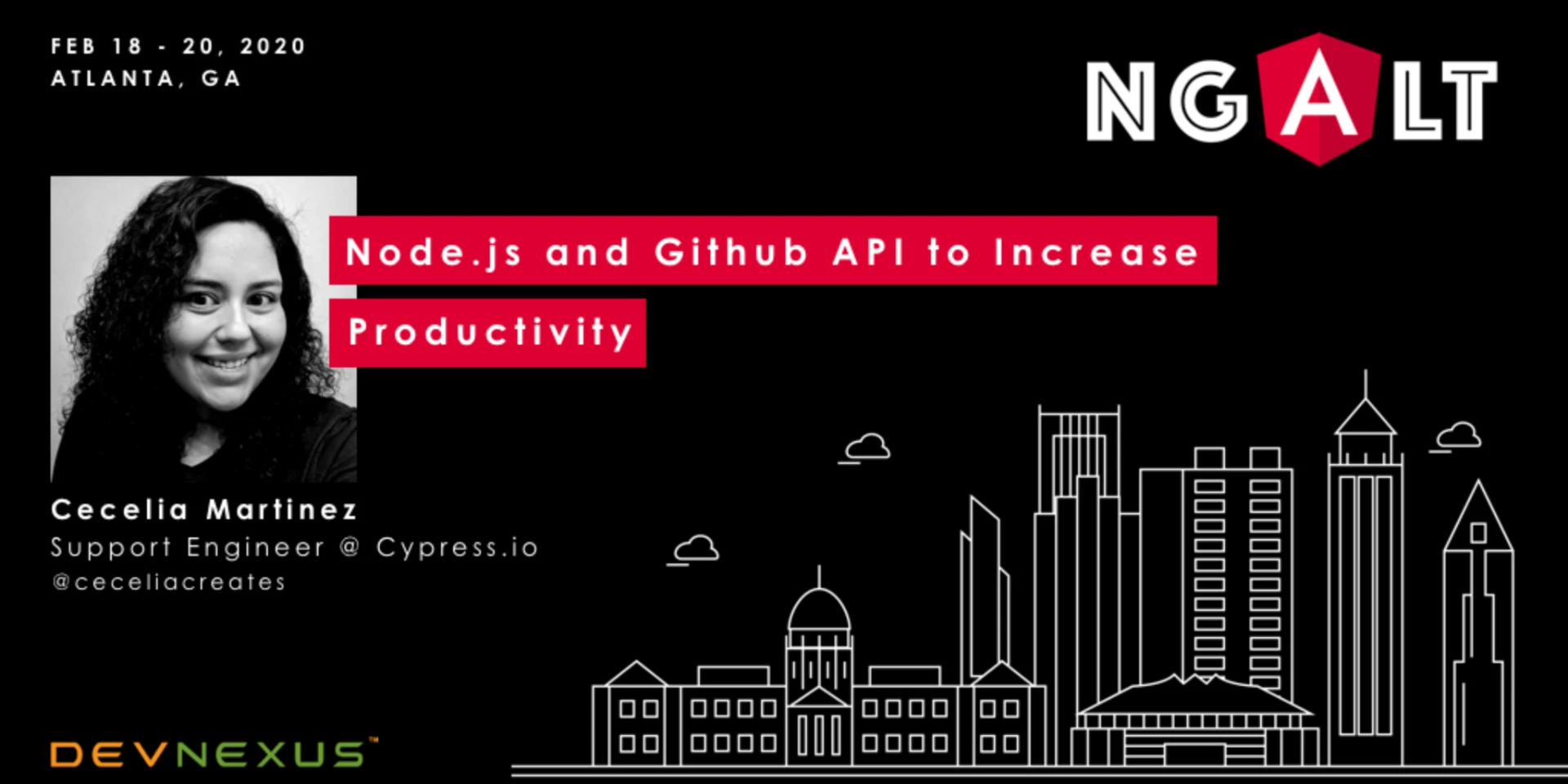
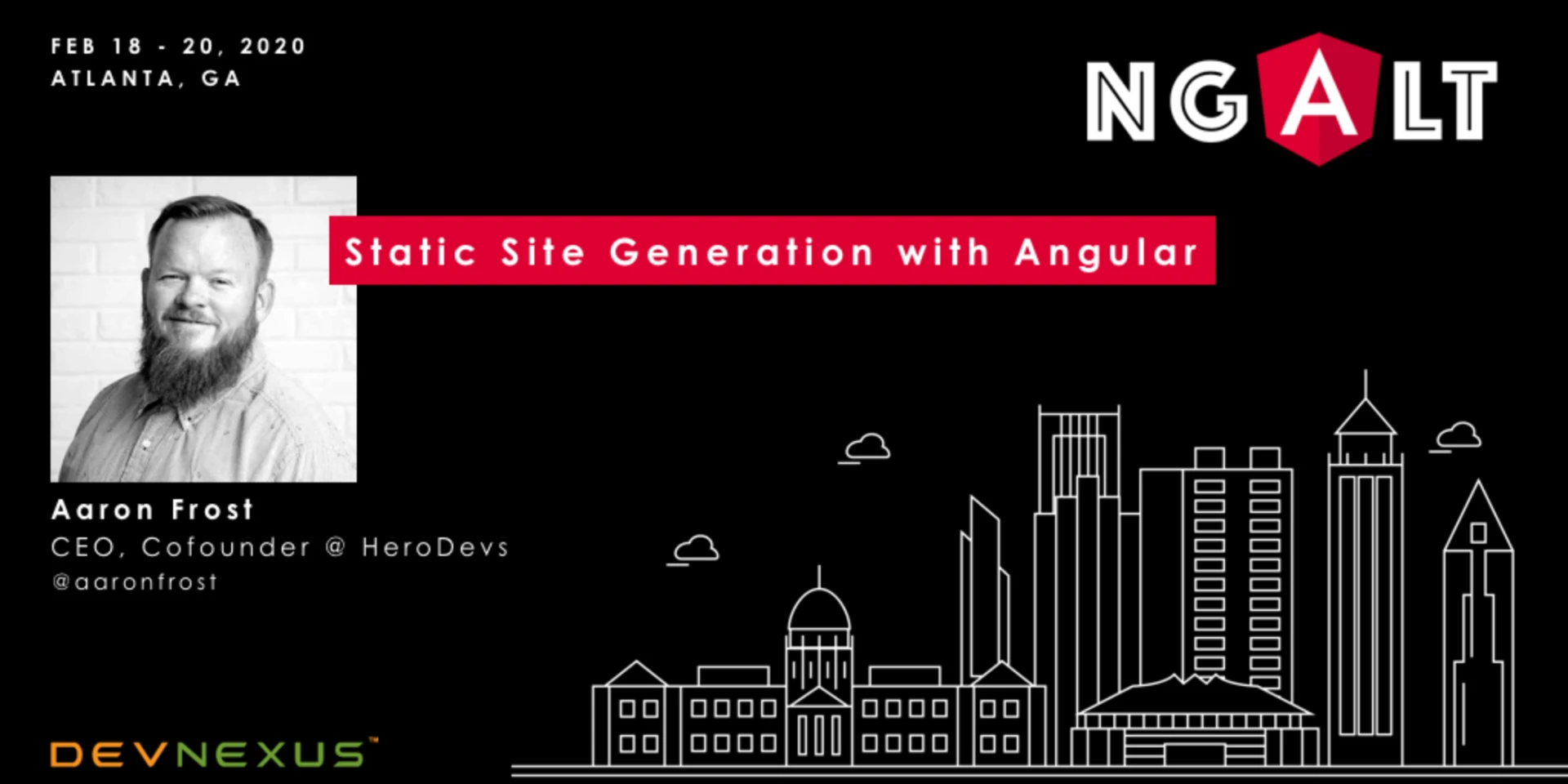
Second, a branded attendee experience. NG-ALT got its own visual identity. I created it from scratch in the same week the program was being built: the logo, the speaker cards used to promote the lineup, and the signage on the Devnexus floor. Alongside it came its own schedule, its own Slack, attendee welcome emails with instructions, a published code of conduct, and three evenings of social programming across the run, including a happy hour, an open-source party with a live band, and an after-party. I was the single, visible point of contact across Twitter, Slack, and email.
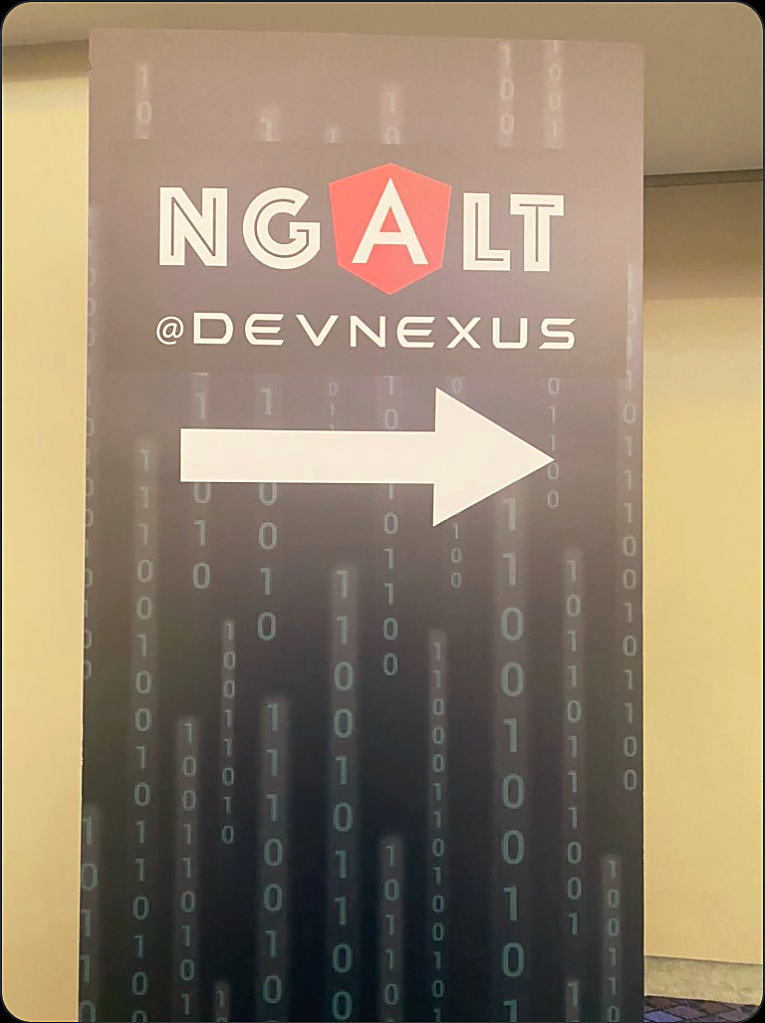
Third, integration with Devnexus. NG-ALT ran Tuesday, Wednesday, and Thursday alongside the main conference, with all Devnexus ticket-holders able to attend NG-ALT sessions and NG-ALT registrants pointed to Devnexus content, so the two programs reinforced rather than competed with each other.
Decisions and tradeoffs
The central call was whether to build a real, branded event or simply slot the stranded speakers into open Devnexus rooms and let them fend for themselves. The lighter option was tempting under the timeline. I rejected it. The speakers and attendees had been promised a specific, inclusive experience, and a handful of unmarked rooms would not have honored that promise, it would have made the displacement visible instead of repairing it. Building the brand, the Slack, the code of conduct, and the social track cost more effort in a week I did not have, but it was the difference between "we found you a seat" and "you still have a conference." That decision is the whole point of the project.
A second tradeoff was personal resourcing: spending my own pre-conference prep weeks on someone else's collapsed event. Part of what drove that call was history. I had been an assistant organizer for the first ngAtlanta, so this was not a stranger's conference to me. I had helped build the thing that had just fallen apart, and I was not willing to watch the community that grew up around it get left with nothing. I made the call deliberately, on the judgment that community trust compounds, and that showing up when it is hard is what makes a community real.
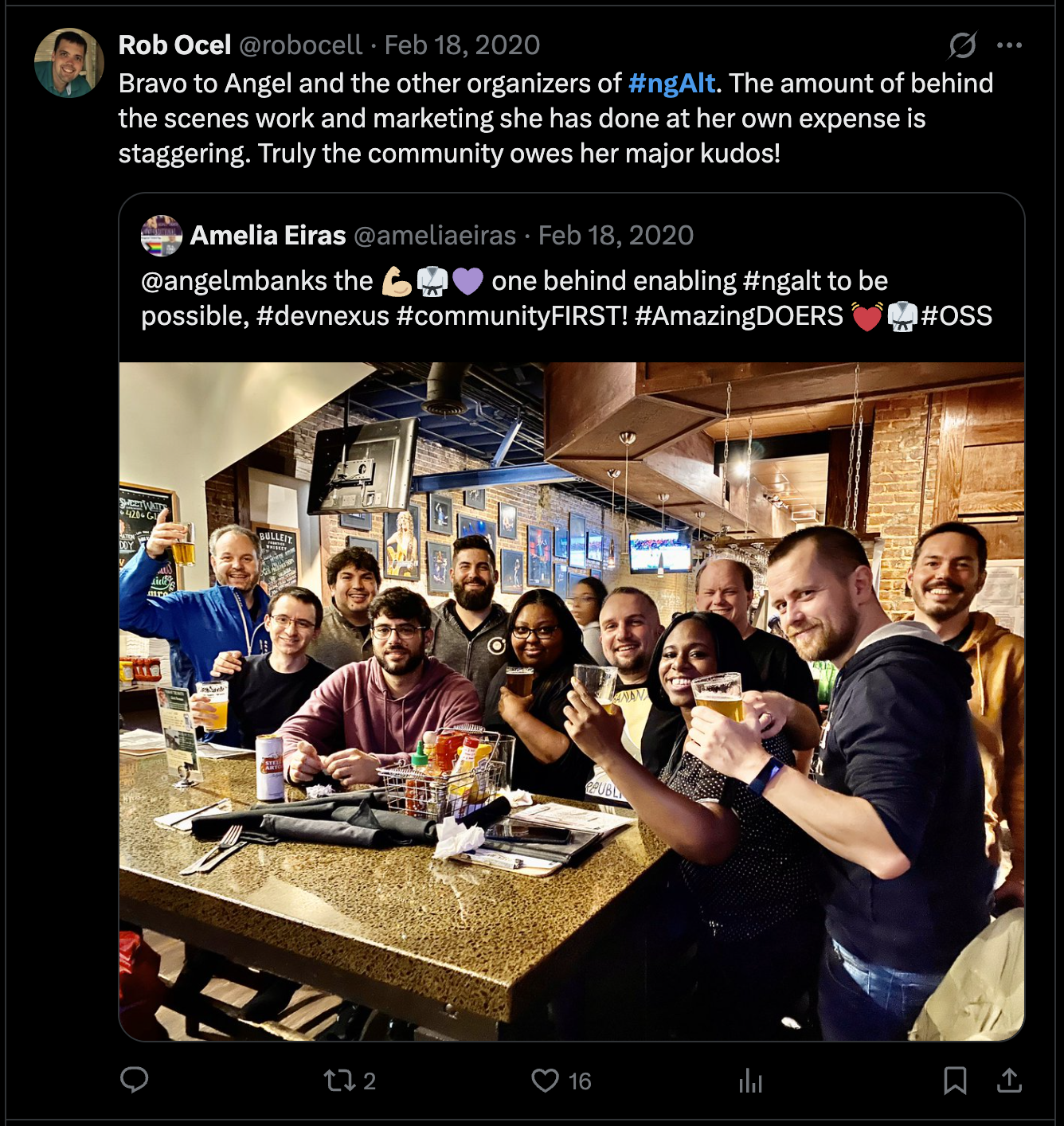
Bravo to Angel and the other organizers of #ngAlt. The amount of behind the scenes work and marketing she has done at her own expense is staggering. Truly the community owes her major kudos!
Outcome
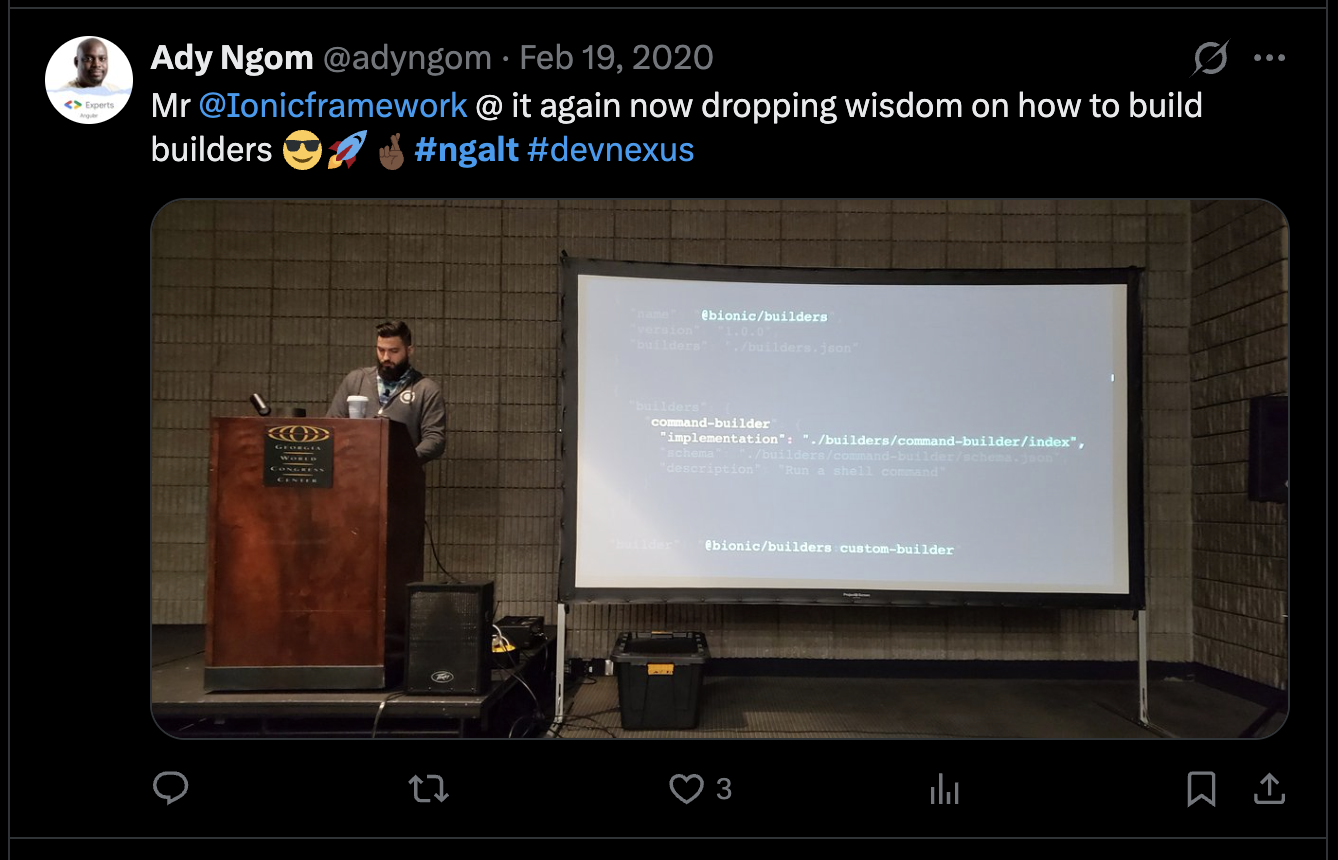
NG-ALT ran as a complete three-day program. I placed 19 speakers, including Google Developer Experts and engineers from Google, Twilio, Ionic, Cypress.io, Nexmo, Nrwl, General Motors, and others, delivering genuine technical sessions on Angular, TypeScript, NgRx, serverless, and more. The event drew 79 dedicated NG-ALT registrations and was open to the 2,000+ developers already attending Devnexus. Speakers kept their platform, ticket-holders and sponsors were made whole, and several first-time speakers made their debut on the NG-ALT stage. The effort is still cited in Atlanta tech as an example of fast, community-first crisis response.
Reflection
What I would do differently is build the connective tissue earlier. The recovery worked because of relationships and fast manual coordination, which is fragile by design. A lightweight shared comms and tracking setup from hour one would have saved time and made the handoffs less dependent on me personally. More broadly, the experience convinced me that communities should have a basic continuity plan before they need one, so that the next time something breaks, the response is a process and not a heroic scramble.